
Tesla Cybercab Robotaxi, FSD, and the self-driving repo rumor
Rule Mobile Tech Brief Updated Jun 27, 2026
 Rule Mobile Tech Brief
Tesla Robotaxi, FSD, and the self-driving repo rumor
A plain-English look at Cybercab, Tesla Robotaxi availability, FSD Supervised, cabin-camera attention checks, vehicle security chatter, and the widely shared “will my Tesla repossess itself?” myth.
 Start with Cybercab
 Jump to the rumor

 Mid-2026 snapshot
 Cybercab
 Robotaxi
 FSD
FSD
 Repo myth
Can you buy it, or hail it like a rideshare?
Think of Cybercab as Tesla’s purpose-built robotaxi vehicle, while Tesla Robotaxi is the ride-hailing service. Those are related, but they are not the exact same thing.
Robotaxi service exists in limited Texas areas, but it is not a nationwide rideshare replacement. Expect geofences, availability limits, and rollout quirks.
The active service has leaned on Model Y robotaxis while Cybercab moves through certification, validation, and fleet-readiness steps.
Not as a normal consumer purchase flow at publish time. Treat Cybercab as fleet-first unless Tesla opens retail sales.
EPA paperwork is a real regulatory milestone, but it is not the same thing as “approved to operate everywhere with no limits.” Robotaxi rollout still depends on safety rules, operations, geofences, and Tesla’s own deployment pace.
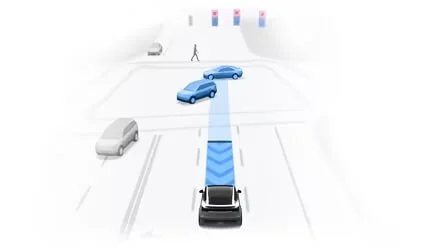
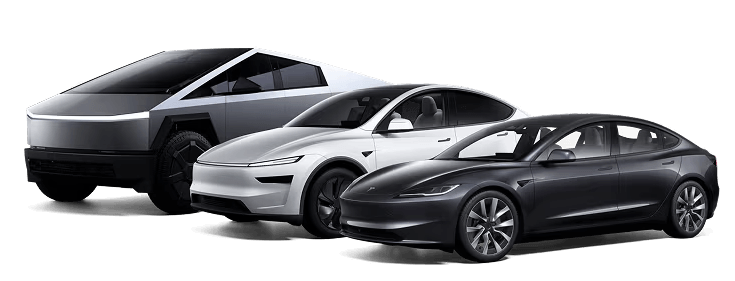
 02 / Automated driving tiers
Do you need a specific Tesla? Do you have to pay?
Newer Tesla models may support automated-driving features depending on hardware, software, region, trim, and eligibility. The big difference is what is included versus what is paid.
Basic Autopilot
Lane keeping and traffic-aware cruise style assistance. Useful, but not a city-street robot driver.
FSD Supervised
More advanced navigation, lane changes, turns, and city-street behavior — under your active supervision.
OTA software
General car updates can be free, but premium driving features can sit behind subscriptions or paid packages.

Tesla currently lists FSD Supervised as a monthly subscription, with price and availability subject to change.

Model year, onboard computer, cameras, configuration, and region can affect whether a feature is available.
 03 / Cabin camera
Can you look away, text, nap, or stop watching?
No. In privately owned Teslas, FSD is still branded and operated as a supervised driver-assistance system. The human remains responsible for paying attention and taking over.
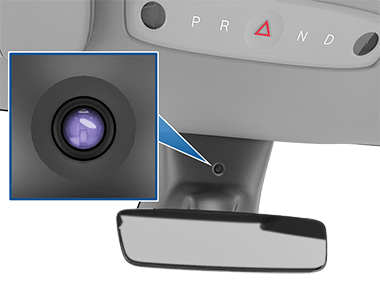
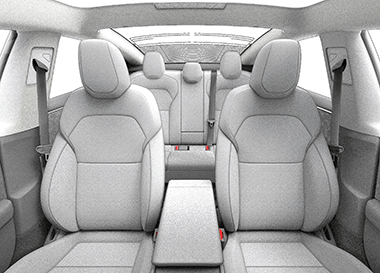
If the system thinks you are not paying attention, it can warn you visually and audibly.

Too many improper-use events can temporarily suspend FSD Supervised access for the vehicle.
Are people replacing Tesla’s operating system?
Not really. The more accurate term is “jailbreaking” — trying to gain deeper access to Tesla’s Linux-based systems or software-locked features. This is a cybersecurity topic, not a casual settings menu.
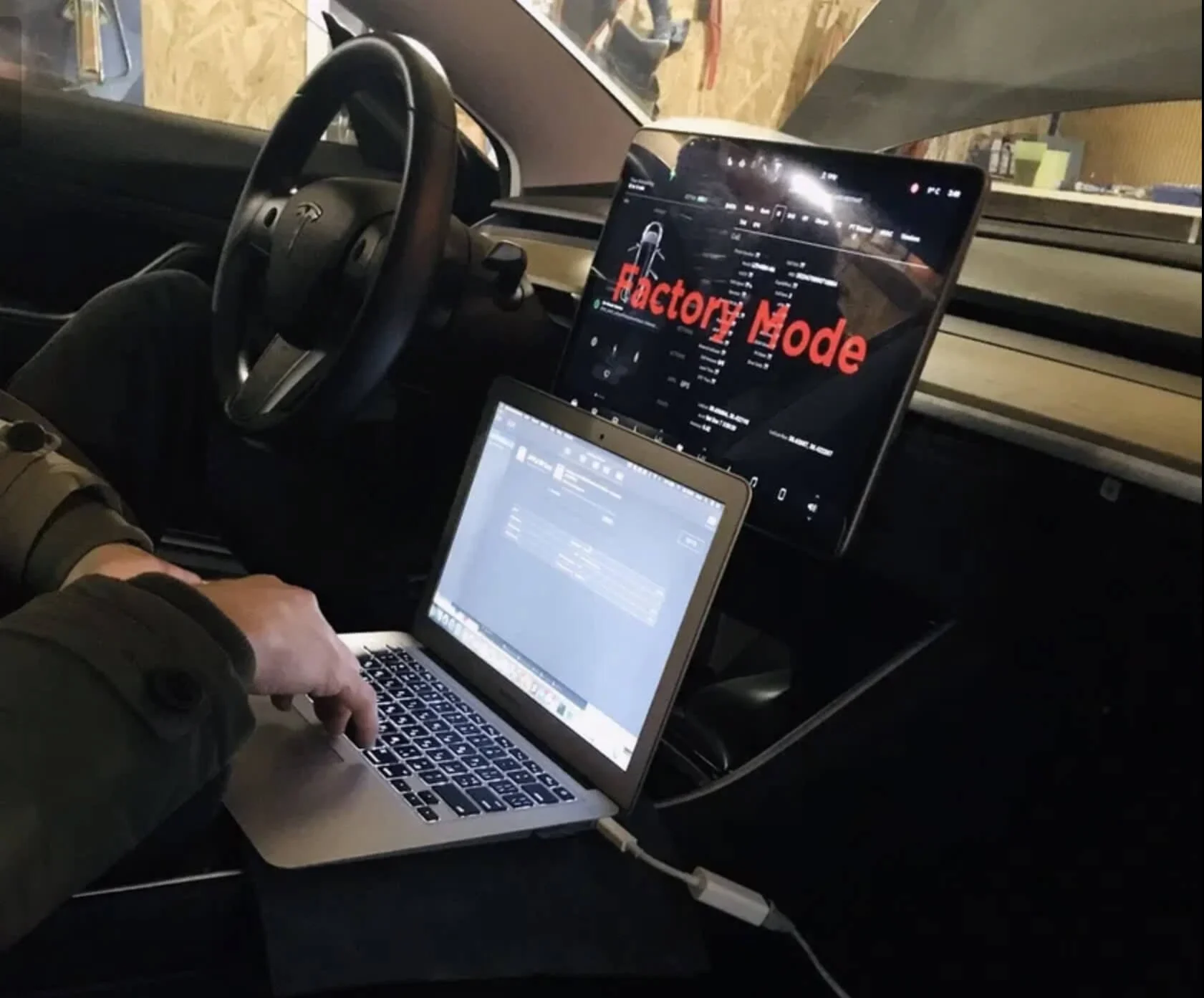
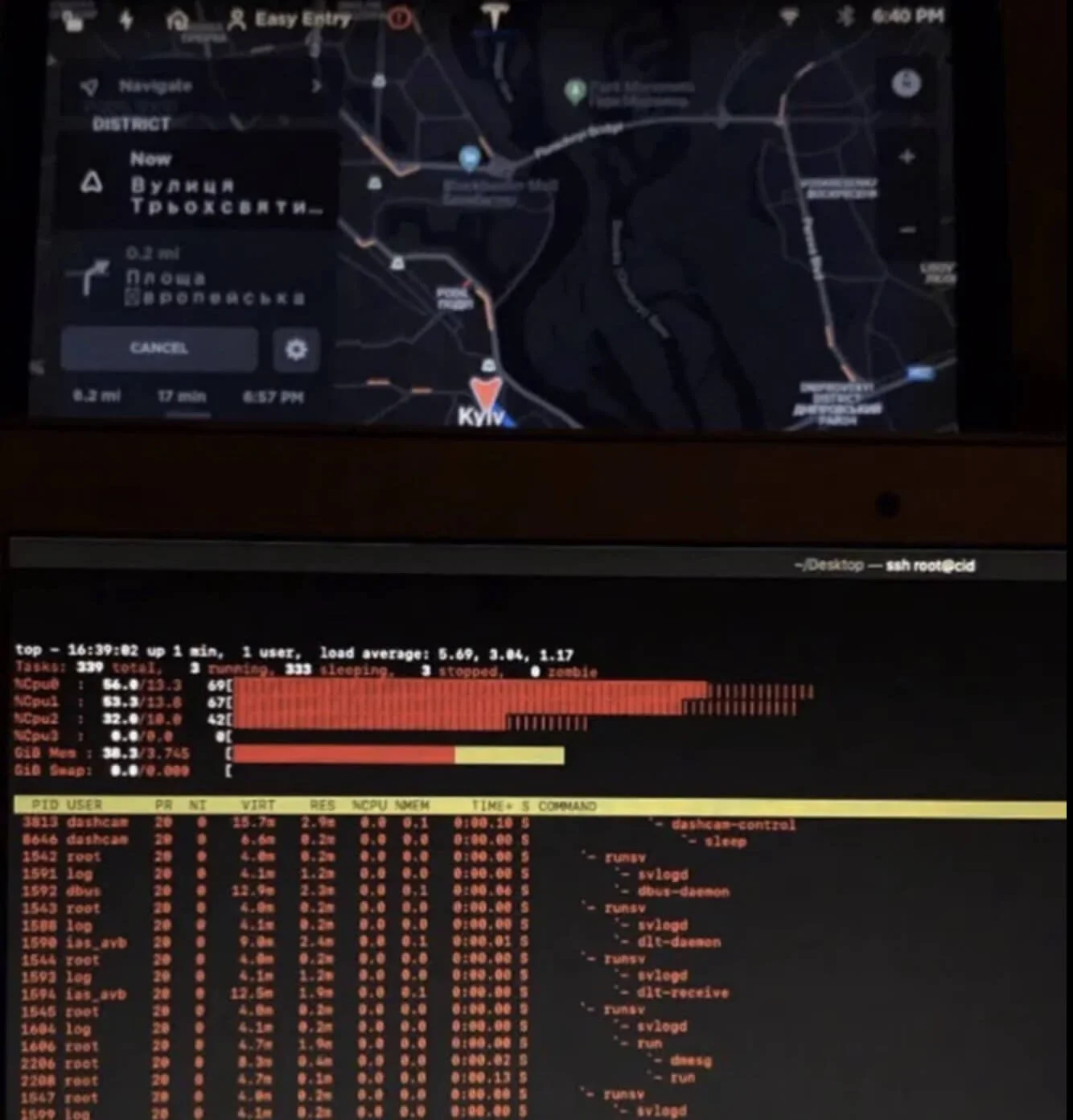
Root-style access
Researchers and hackers look for ways around secure boot, paid feature locks, or regional feature restrictions.
Paywalled features
Some hardware may exist in the car but stay locked until paid for, subscribed to, or regionally enabled.
Warranty + access
Unauthorized modifications can break features, violate terms, void warranty coverage, or create account/network problems.
This is not a how-to. Treat vehicle jailbreaking like any connected-device security bypass: interesting to read about, risky to do, and potentially expensive if something goes wrong.
Will a Tesla drive away if you miss payments?
No. A Tesla does not magically wake up, put itself in drive, and head back to the dealer because a payment is late.
“Self-driving repo” claims spread because Tesla is famous for autonomy and connected-car features are easy to misunderstand.
The real origin is a Ford patent application describing theoretical repossession-assist concepts for future vehicles.
Missed payments are handled through lenders, notices, app/account controls, GPS location, and traditional repo agents.
Connected cars can be located, locked out of app features, or repossessed by people — but the “Tesla drives itself back to the bank” story is internet fiction.
Further reading
Availability, pricing, and software behavior can change quickly. These links are included so readers can separate official support information, regulatory paperwork, reporting, security research, and patent filings.
