
Tesla: The Truth About EV Jailbreaking
 Rule Mobile Field Guide
Can You Jailbreak a Tesla?
Tesla root access is real. The fake part is the “instant unlock” economy around it. Here is what skilled researchers have actually achieved, what owner-friendly tools can really do, and why root access, official APIs and paid feature entitlements are three different worlds.
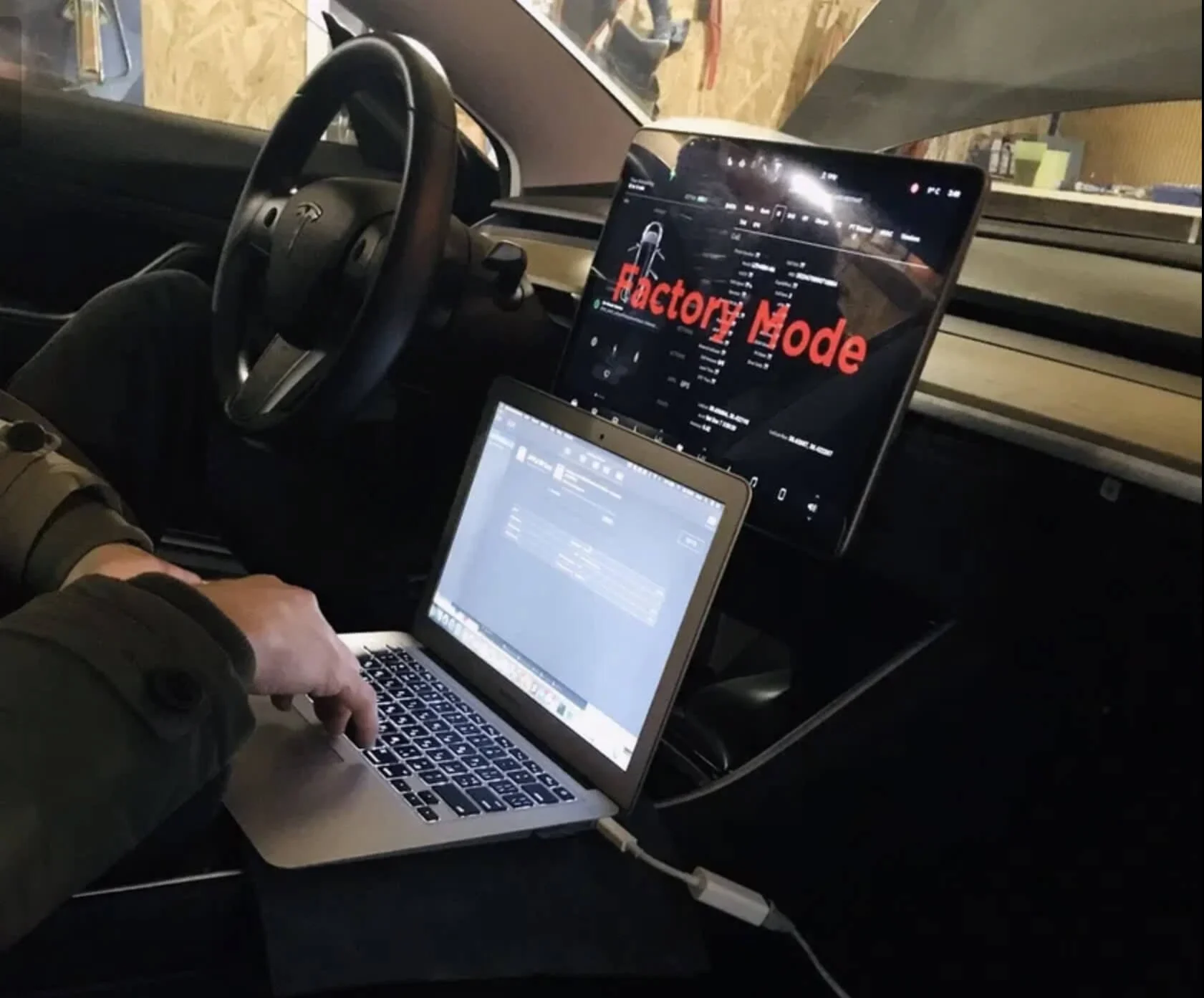
 Automotive security

The answer in 30 seconds
Yes, parts of a Tesla can be jailbroken by highly skilled researchers. But there is no credible, safe, all-model website, USB stick or consumer download that permanently unlocks Full Self-Driving, Acceleration Boost or every paid feature. The most credible work is hardware- and firmware-specific. The underrated detail: Tesla already has a narrow, official lane for researcher root access—but not for consumer feature bypassing.
Editorial note: This article explains automotive-security research, owner-tooling, and consumer risk. It is not a guide to bypassing safety systems, stealing paid services, accessing someone else’s vehicle, or modifying a car you do not own.
What does “jailbreaking a Tesla” actually mean?
The phrase gets used for several unrelated things. Separating them is the fastest way to tell serious research from marketing fog.
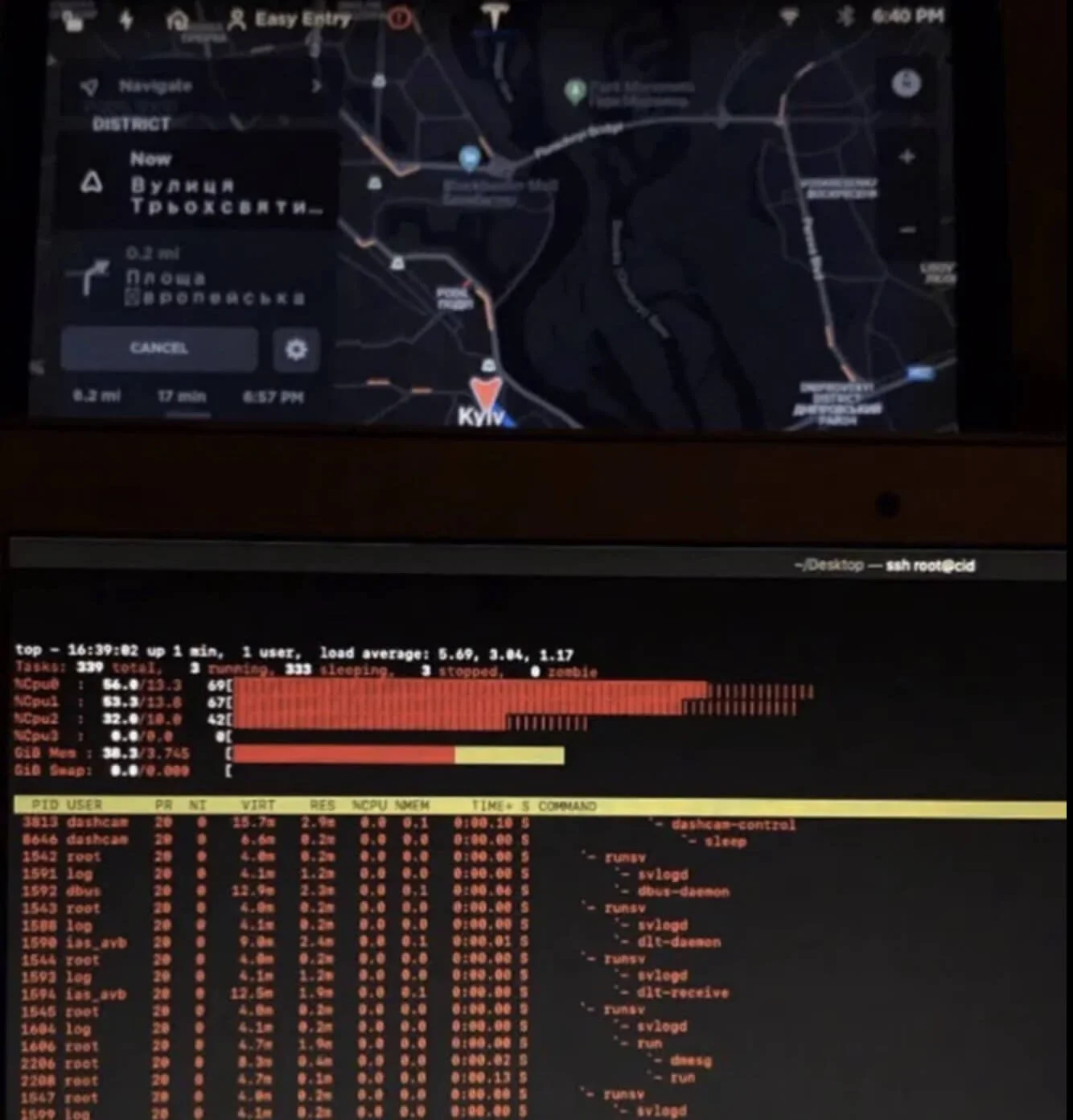
Rooting a vehicle computer
Obtaining administrator-level control over an infotainment, gateway or other embedded computer. This is the closest match to a true Tesla jailbreak because it crosses a manufacturer-enforced security boundary.

Running software after root
Adding diagnostics, interface changes or custom services after root access already exists. Many community repositories start here; they do not supply the original root method.

Adding an external platform
A Raspberry Pi, browser-based project or external display layer can add functionality without touching Tesla’s core operating system. That may feel like an unlock, but the car’s security model remains intact.

Bypassing an entitlement
Trying to activate a paid or region-limited feature without authorization. That is technically, legally and ethically different from repair, security research or owner-authorized diagnostics.
Why there is no universal one-click Tesla jailbreak
Tesla modification is fragmented because a Tesla is not one static device. Hardware generations, firmware branches, secure-boot boundaries, cloud services and signed command paths all matter.
Computer generations are not interchangeable
Older Model S/X vehicles used NVIDIA Tegra-based MCU1 hardware. Later systems moved through Intel-based infotainment hardware and then AMD/Ryzen platforms. A script or exploit path built for one generation can be irrelevant—or dangerous—on another.
Modern attacks begin below the operating system
The best-known modern research is not a normal app install. It involves early-boot trust boundaries, processor security subsystems, fault injection, or carefully chained software vulnerabilities.
Official commands are authenticated
Tesla’s supported command stack is built around owner authorization, OAuth tokens and vehicle key enrollment. That is useful for integrations, but it is not root access and does not rewrite feature entitlements.
The failure mode is a vehicle
A failed experiment can interrupt updates, trigger service complications, disable an infotainment unit, expose private data or touch systems connected to a moving vehicle. That is a very different risk profile from tinkering with a spare gadget.
What actually exists today
The real ecosystem is not a single download. It is a map: official APIs, qualified research, legacy rooted-car projects, external add-ons, aftermarket modules and academic security work.
Tesla Product Security Official
Tesla’s responsible-disclosure policy covers pre-approved good-faith researchers, research-registered vehicles, scope limits, safety rules and reporting expectations. It does not distribute a consumer root tool.
Tesla Vehicle Command SDK Official API
Useful for legitimate apps, fleet tools and owner-authorized automation. It sends authenticated commands such as charging or climate actions. It does not bypass secure boot or provide a root shell.
Lunars/tesla Legacy rooted
A canonical community repository for older rooted Model S/X vehicles. The important catch is in its own prerequisite: the car must already be rooted, and the scripts were designed for MCU1/Tegra rather than a universal modern Tesla.
FreedomEV Legacy Linux
An additional Linux environment for rooted, older ARM-based systems. It is better understood as legacy rooted-car tooling, not a broad root exploit and not a Tesla-endorsed consumer platform.
Tesla Android External platform
Runs Android on separate Raspberry Pi-based hardware and presents the experience through the Tesla browser. Clever? Yes. A root-level modification of Tesla’s operating system? No.
PSPReverse / AMD-SP research Research
Relevant background for AMD Secure Processor fault-injection research. Treat this as academic security material, not an owner install guide or paid-feature unlock kit.
Aftermarket inline modules Hardware mod
Some commercial modules advertise model-specific convenience or performance changes by sitting in the vehicle’s hardware path. Compatibility, warranty impact, update survival and legality should be evaluated case by case.
How the research evolved from 2023 to 2026
Public research proves Tesla systems can be compromised under specific conditions. It also proves why a polished, stable, consumer-safe jailbreak is not what serious researchers are publishing.
AMD-based infotainment research reached Black Hat
Researchers presented work against newer AMD-based infotainment systems. The important concept was not a normal software installer; it was crossing an early hardware-backed trust boundary to gain powerful local access.
Black Hat presentation PDF ↗Autopilot voltage-glitching research showed deeper stakes
A Chaos Communication Congress session described root privileges on a Tesla Autopilot system through voltage glitching, plus the security and data-access implications of studying highly protected vehicle subsystems.
CCC session ↗“Three Glitches” widened the car-computer story
TU Berlin’s paper reported full compromise of all three studied Tesla car-computer subsystems: two through low-cost voltage glitching and one through persistent electromagnetic fault injection. The bigger implication is that automotive chip trust models matter beyond one brand.
TU Berlin publication ↗Pwn2Own demonstrated a USB-category Tesla exploit chain
At Pwn2Own Automotive 2026, Synacktiv chained an information leak and an out-of-bounds write against Tesla infotainment in the USB-based attack category. That is a strong security result, not evidence of a public plug-and-play owner utility.
Trend Micro / ZDI summary ↗How to spot a fake “Tesla unlock” service
Legitimate projects describe exact vehicle generations, hardware assumptions, prerequisites and limitations. Scam pages usually do the opposite: they promise everything while asking for sensitive access first.
Can root access permanently unlock paid Tesla features?
Not in the simple, universal way advertised by questionable websites. Public research has shown powerful local access and temporary changes to some software-locked features in controlled contexts. But a modern Tesla can depend on multiple computers, signed configuration data, compatible hardware, cloud-side entitlements, regional rules and future OTA updates.
Research permission is not blanket permission
Tesla’s responsible-disclosure policy gives qualifying researchers a narrow good-faith path: own the vehicle or have permission, avoid privacy violations, do not access other people’s data, avoid unsafe conditions and give Tesla time to fix vulnerabilities.
U.S. DMCA exemptions can matter for diagnosis, repair, lawful modification and access to operational data in lawfully acquired vehicles. But the 2024 rule excludes programs accessed through a separate subscription service and states that the exemption is not a defense to other applicable laws. In plain English: right-to-repair is not a universal pass to activate a service you never bought.
The real story is bigger than free horsepower
Tesla jailbreaking is real, but the most interesting question is not whether someone can get a free comfort feature. The deeper question is who controls a software-defined vehicle after it has been sold: the owner, the manufacturer, the researcher, the repair shop, the insurer, the regulator—or the server deciding which features are allowed to run.
That is the part that should make any serious Tesla enthusiast pause. The future of vehicle ownership may be less about “can this car be hacked?” and more about whether owners get a transparent, auditable, safety-aware way to inspect, repair and extend the machines they bought.
Frequently asked questions
Can a Tesla really be jailbroken?
Yes. Researchers have obtained root-level access to Tesla infotainment and other embedded systems. The publicly documented modern methods are hardware- and software-specific, and they are not packaged as a safe universal consumer installer.
Is there a credible one-click Tesla jailbreak website?
No credible universal service is known. Treat any page promising instant all-model unlocks—especially one requesting account credentials—as high risk.
Did a USB-based Tesla exploit work at Pwn2Own Automotive 2026?
Yes, Synacktiv successfully targeted Tesla infotainment in the USB-based attack category at Pwn2Own Automotive 2026. That was a zero-day research demonstration, not a public owner utility.
Does Tesla officially give researchers root access?
Tesla’s security ecosystem includes a responsible-disclosure path and a Bugcrowd-described root access program for qualifying researchers. It is not an owner opt-in unlock program and does not authorize paid-feature bypassing.
Is Tesla Android a Tesla jailbreak?
No. Tesla Android runs on external Raspberry Pi-based hardware and presents the experience through the vehicle’s browser. It adds another computing platform without rooting Tesla’s primary operating system.
Can root access unlock Full Self-Driving?
There is no reputable universal tool that safely and permanently does so. Root on one local computer does not automatically satisfy hardware, cloud entitlement, configuration, regulatory and software-update requirements.
Could a modification affect warranty, service or insurance?
Yes. Unauthorized modifications can create service, warranty, insurance and safety issues, especially if they cause damage, interfere with diagnosis or alter safety-relevant behavior. Research protections are narrower than general consumer permission.
